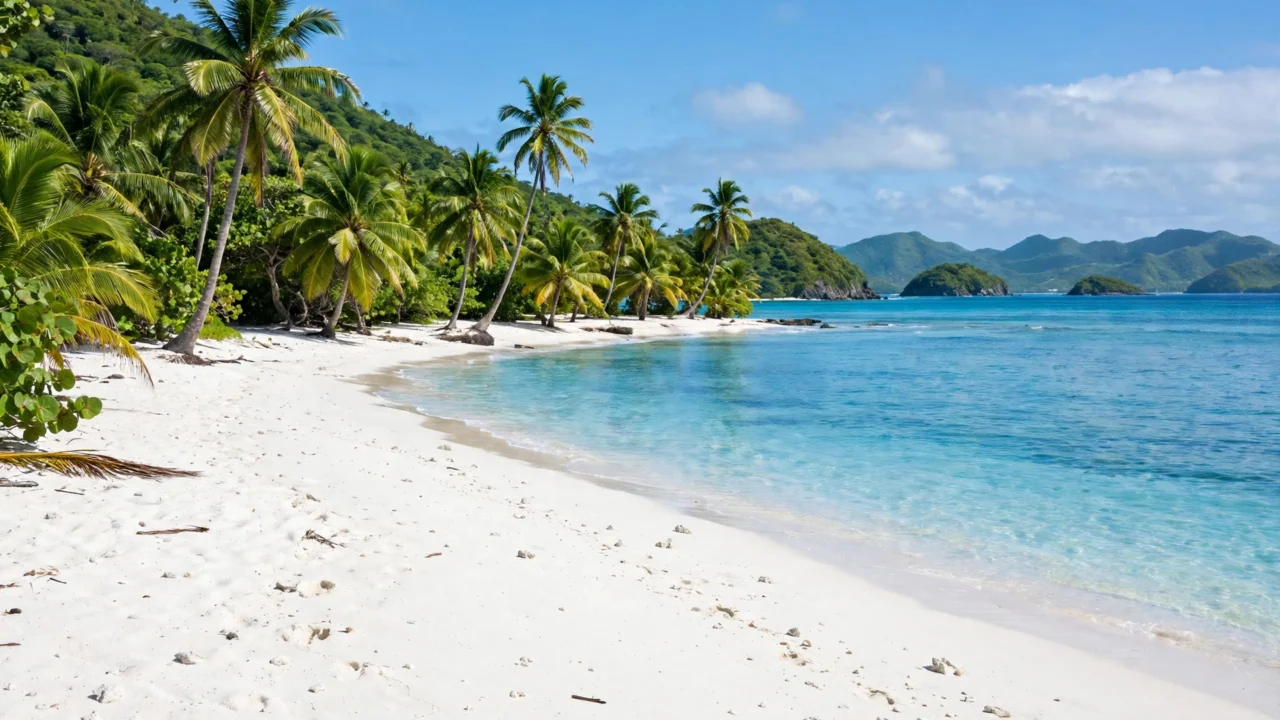
Short answer: The Virgin Islands are a group of islands in the Caribbean Sea, east of Puerto Rico. They are divided into two main groups: the United States Virgin Islands and the British Virgin Islands. Both groups share warm weather, clear water and a relaxed island pace, but they have different governments, entry rules and ways of getting around, so it helps to know which group you are visiting before you plan a trip.
For a first-time visitor, the name can be confusing. It sounds like one place, but it is really an archipelago, a chain of islands, islets and cays spread across a stretch of sea. Some islands are large enough for towns, airports and hotels, while others are small, quiet and reached only by boat. This guide explains the difference between the two groups, introduces the main islands, and covers the practical basics: when to go, how to get there, and what to do once you arrive.
US Virgin Islands vs British Virgin Islands
The main difference is who governs each group. The United States Virgin Islands are a territory of the United States, while the British Virgin Islands are a British Overseas Territory. That difference affects travel documents, money and everyday life in small ways, so check the entry rules for your own nationality and the group you plan to visit before you book. In general, travel between the two groups is possible by ferry, but it involves a border crossing, so allow extra time and carry the documents you need.
Both groups use the United States dollar, which makes paying for things straightforward for many visitors, and English is widely spoken in both. Driving is on the left in both groups, which is worth knowing if you plan to hire a car. Roads can be steep, narrow and winding on some islands, so take your time, especially if you are not used to driving on the left. The two groups also feel a little different. The US Virgin Islands have larger towns, more hotels and busier ports, while the British Virgin Islands are often quieter, with smaller settlements and a stronger focus on sailing and beach life.
The Main Islands
The United States Virgin Islands are made up of three main islands: St. Thomas, St. John and St. Croix. St. Thomas is the busiest of the three, with the main airport, the capital, Charlotte Amalie, shops, restaurants and a cruise port. It is a good base if you want easy transport, a choice of hotels and day trips. St. John is smaller and quieter, and much of the island is protected parkland, with beaches, walking trails and clear water for swimming and snorkelling. It is reached by ferry from St. Thomas, and it suits travellers who want a slower pace and time outdoors.
St. Croix is the largest of the US Virgin Islands and sits a little apart from the other two. It has two main towns, Christiansted and Frederiksted, along with beaches, historic buildings and places to eat and explore. It feels less busy than St. Thomas, and it is a good choice if you want to stay in one place for a few days and explore at a relaxed pace. The British Virgin Islands are made up of four main islands: Tortola, Virgin Gorda, Jost Van Dyke and Anegada, along with many smaller islands and cays. Tortola is the largest and the main hub, with the capital, Road Town, the main ferry port and a choice of places to stay. Virgin Gorda is known for its beaches and for The Baths, a well-known area of large granite boulders and pools by the sea. Jost Van Dyke is small and laid-back, with beach bars and a relaxed atmosphere, while Anegada is flat, low and surrounded by reefs, with quiet beaches and a reputation for good seafood.
Best Time to Visit in General Terms
There is no single best time for everyone, because it depends on what matters most to you: weather, crowds or cost. In general, the drier and cooler months are the most popular, with warm, sunny days and lower humidity. These months are also the busiest, so hotels and ferries can be fuller and prices can be higher. If you prefer a quieter trip, the months outside the peak season can be calmer, but they can also be warmer and wetter, with a higher chance of rain.
The Atlantic hurricane season runs through the summer and into the autumn, which is worth keeping in mind when you plan. That does not mean you should avoid travelling at that time, but it does mean you should check the weather forecast, keep your plans flexible, and look at the terms of your booking and travel insurance before you travel. Whatever time of year you choose, pack for warm weather, sun and sudden showers. Light clothes, sun protection, a hat and a light waterproof layer are useful, and comfortable shoes will help if you plan to walk, explore towns or visit beaches.
Getting There and Getting Around
Most visitors arrive by air, usually via St. Thomas in the US Virgin Islands or Tortola in the British Virgin Islands, often with a connection through a larger airport. From there, ferries link many of the main islands, and they are a central part of island travel. Ferry times can change with the season and the weather, so check the latest timetable on the day you travel and allow plenty of time, especially if you need to catch a flight after a ferry crossing.
Once you are on an island, you can get around by taxi, by hire car, or, on some islands, by bus or on foot in the main towns. Taxis are widely available in the busier areas, and they are a simple choice if you do not want to drive. If you hire a car, remember that driving is on the left, roads can be steep and narrow, and parking can be limited in busy towns. Packing light will make every part of the journey easier, from the airport to the ferry to the taxi. Our guide to how to choose the lightest luggage explains how a smaller, lighter bag can make island travel more comfortable. If you are travelling with older family members, or you prefer a slower pace, our travel tips for senior citizens cover planning, packing and pacing a trip so that everyone can enjoy it.
What to Do in the Virgin Islands
Beaches are the main draw, and there are many to choose from, from busy bays with bars and facilities to quiet coves reached by a short walk or a boat. Swimming and snorkelling are popular, and the clear water makes it easy to see fish and coral close to the shore. If you are new to snorkelling, choose a calm, sheltered beach, take your time, and follow local advice about currents and conditions. Sailing is another classic way to see the islands, whether you join a day trip, hire a boat with a skipper, or, if you have the experience, charter a boat yourself.
There is more to the islands than beaches, though. Towns like Charlotte Amalie and Christiansted have historic buildings, shops and places to eat, and they are worth a slow walk. Walking trails, viewpoints and national park land on St. John offer a different side of the islands, with plants, birds and views across the sea. Food is part of the trip, too, from fresh fish and local dishes to beach bars and small restaurants. Take time to try local food, talk to people who live on the islands, and plan some days with nothing fixed. A slower pace suits the Virgin Islands, and it leaves room for a ferry that runs late, a beach you did not plan to visit, or a view you want to sit with for a while.
Frequently Asked Questions
Are the Virgin Islands one country?
No. The Virgin Islands are divided into two groups: the United States Virgin Islands, a territory of the United States, and the British Virgin Islands, a British Overseas Territory. They share the same sea and a similar climate, but they have different governments and entry rules.
Which Virgin Islands should a first-time visitor choose?
It depends on what you want. St. Thomas is a good base if you want easy flights, hotels and day trips. St. John suits a quieter, more outdoors-focused trip, while Tortola is the main hub for the British Virgin Islands and a good starting point for exploring by ferry or boat.
Do I need a passport to visit the Virgin Islands?
That depends on your nationality and on which group you are visiting, and the rules can change. Check the entry requirements for your own passport and for the specific islands you plan to visit before you book, and carry the documents you need for any ferry crossing between the two groups.
How do I travel between the islands?
Ferries link many of the main islands, and they are the usual way to travel between them. Check the latest timetable, allow extra time for border crossings between the US and British groups, and keep your plans flexible if the weather changes.




1 Comment